
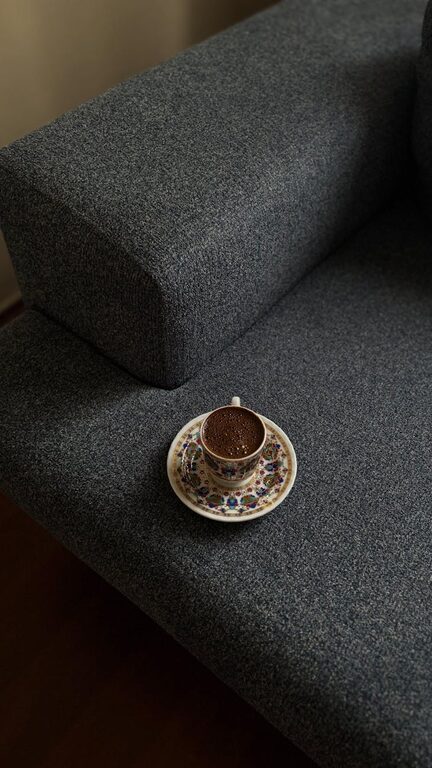
Creating a peaceful atmosphere in your home begins with the colors you choose for your walls, furniture, and accessories. Calm colors have the power to reduce stress, enhance focus, and make any space feel more welcoming. Whether you want a tranquil bedroom, a serene living room, or a soothing workspace, selecting the right palette is key.
In this post, we’ll explore practical tips to help you pick calm colors that suit your style and promote relaxation throughout your home.
Why Choose Calm Colors?
Before diving into specific colors and palettes, it’s important to understand why calm colors matter. These colors tend to be soft, muted, and gentle on the eyes. They create an environment that feels restful rather than stimulating, which is particularly beneficial in areas where you want to unwind.
Calm colors often include shades of blues, greens, neutrals, and pastels. But the most important factor is how the color makes you feel, so personal preference plays a big role.
Tips for Choosing Calm Colors
1. Consider the Mood You Want to Create
Every room has a purpose, and the colors you choose should support that. Here are some common moods associated with calm colors:
– Relaxation: Soft blues and greens are associated with nature and tranquility.
– Warmth and Comfort: Earthy tones like beige, taupe, and muted terracotta bring a cozy feeling.
– Clean and Fresh: Whites and light greys create simplicity and openness.
Think about how you want to feel in each room before choosing colors.
2. Start with Neutrals as Your Base
Neutral colors provide a calming backdrop and allow other colors or décor elements to shine. Shades like soft white, light gray, cream, and pale beige are excellent choices for walls because they don’t overwhelm the senses.
Neutrals are versatile and easy to match with accent colors. They are also timeless, meaning you can update furniture or accessories without repainting.
3. Use Soft Blues and Greens to Evoke Nature
Blue and green are colors commonly linked with serenity because they remind us of sky, water, and foliage. Lighter shades—like powder blue, sage green, and seafoam—bring peaceful vibes without being boring.
These colors work great in bedrooms, bathrooms, and living areas. If bold blues or greens feel too strong, choose muted or pastel versions for subtle calmness.
4. Incorporate Pastels for a Gentle Touch
Pastels such as blush pink, lavender, mint, or light peach add softness while maintaining a calm atmosphere. Pastel colors can brighten a room without overstimulating the senses.
Use pastels on walls, cushions, or decorative pieces to add interest without disrupting the tranquil mood.
5. Consider the Lighting in Your Space
Light affects how colors appear, so always test paint samples under both natural and artificial light. A color that looks calm and soft in daylight might feel dull or too cold under warm indoor lighting.
For rooms with little natural light, warm neutrals and pastel shades can help create a sense of openness. In brighter rooms, cooler blues or greens can balance the brightness.
6. Limit High-Contrast Combinations
Strong contrasts, like black with bright white or bold colors next to each other, can create visual energy that is the opposite of calming. Keep contrasts minimal by pairing similar tones or softly graduated shades.
For instance, combine pale gray with soft blue or light beige with gentle peach. This reduces visual clutter and encourages relaxation.
7. Create Balance with Textures
Color is just one part of calm design. Incorporate textures such as soft fabrics, natural wood, or woven baskets to bring warmth and interest. Matte or eggshell finishes on walls tend to look more soothing than glossy paint.
Textures complement calm colors by adding depth without overwhelming the senses.
8. Use Accent Colors Sparingly
Accents in calm colors can enhance a room’s serenity, but too many bright or bold accents may disrupt the peaceful vibe. Choose one or two accent colors and repeat them through cushions, artwork, or rugs.
Colors like muted gold, soft coral, or dusty rose work well as gentle accents.
How to Test Calm Colors Before Committing
Choosing paint or décor colors can be daunting. Here are some strategies to ensure you’ll be happy with your choice:
– Paint sample patches: Apply small swatches of color on your wall and observe them at different times of day.
– Create mood boards: Combine paint chips, fabric samples, and photos to visualize how colors work together.
– Use virtual tools: Many paint brands and home design apps offer online rooms where you can experiment with color.
Popular Calm Color Palettes to Consider
Here are a few example palettes that embody calm and restful homes:
Soft Coastal
– Warm white
– Sky blue
– Sandy beige
– Pale seafoam green
Earthy Sanctuary
– Light taupe
– Muted sage green
– Soft terracotta
– Creamy ivory
Gentle Pastels
– Dusty pink
– Lavender gray
– Mint green
– Pale peach
Each palette can be adjusted to fit your style and space while maintaining a tranquil mood.
Final Thoughts
Choosing calm colors for your home doesn’t mean you have to settle for bland or boring. By thoughtfully picking hues that make you feel at ease and supporting them with textures and light, you can create a peaceful sanctuary that feels just right for you.
Remember to test colors, consider the purpose of each room, and don’t be afraid to let your personality shine through gentle, relaxing tones. With these tips in hand, your home can become a calm retreat from the busy world.
Happy decorating!